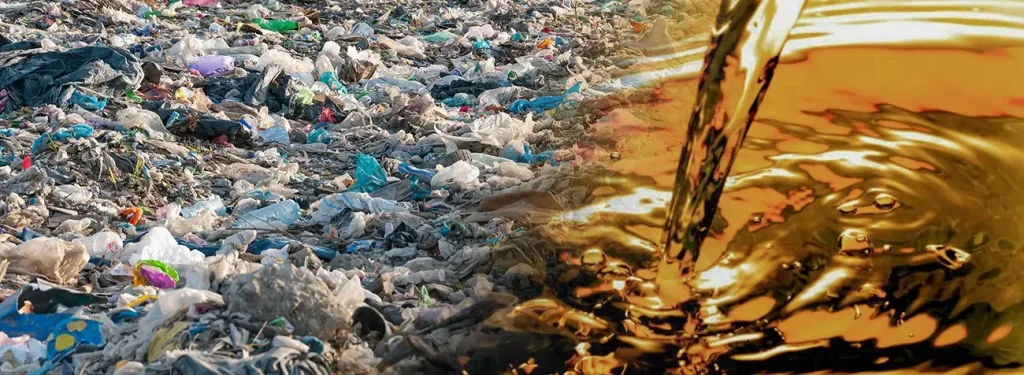
Pyrolysis has emerged as a cornerstone technology in modern waste management, offering an advanced method to convert diverse waste materials into valuable fuels and chemical intermediates. Its adaptability to multiple feedstocks—ranging from plastics and tires to biomass and oil sludge—makes it one of the most versatile forms of thermochemical recycling. The operational parameters, reactor design, and product yield of pyrolysis depend heavily on the characteristics of the chosen feedstock. Understanding these distinctions is essential for optimizing efficiency, fuel quality, and environmental performance across various types of pyrolysis equipment.
Plastic Waste and Hydrocarbon Recovery
Plastic materials represent one of the most abundant and persistent waste types worldwide. When processed through a plastic pyrolysis machine, these polymers undergo depolymerization, transforming long-chain hydrocarbons into pyrolysis oil, syngas, and minimal char. The composition of the plastic feedstock—particularly the ratio of polyethylene, polypropylene, and polystyrene—determines the calorific value and viscosity of the resulting oil. High-density plastics yield superior fuel fractions with lower contamination levels, while mixed or halogenated plastics require pre-treatment to avoid catalyst deactivation and emission formation. The flexibility of the system allows continuous operation, ensuring consistent throughput and reduced energy consumption.
End-of-Life Tires and Carbon Black Production
Scrap tires remain a critical feedstock due to their abundance and complex chemical composition. Within a continuous tyre pyrolysis plant, tires are thermally decomposed into liquid oil, combustible gas, and solid carbon black. The vulcanized rubber matrix, reinforced with steel and carbon fillers, influences both reaction kinetics and product distribution. Tire-derived oil exhibits a high aromatic content, suitable for industrial fuel applications after refining. The recovered carbon black serves as a valuable reinforcement or pigment material, closing the material loop in circular manufacturing. The continuous configuration of the plant ensures steady conversion, reduced labor input, and improved thermal efficiency compared to batch systems.
Oil Sludge and Hydrocarbon Recovery Efficiency
Oil sludge, a byproduct of refinery operations and drilling activities, presents both an environmental hazard and a resource opportunity. Processing this material in an oil sludge pyrolysis plant for sale enables the extraction of recoverable hydrocarbons and the stabilization of hazardous residues. The high moisture and inorganic content of oil sludge require precise temperature control to achieve efficient volatilization. The resulting oil can be refined for industrial heating or reprocessed into lubricants, while the remaining solid fraction contains trace metals that can be immobilized for safe disposal. This application underscores the capacity of pyrolysis equipment to convert even complex, semi-solid wastes into usable energy forms.
Biomass Feedstocks and Renewable Energy Production
Biomass residues such as agricultural waste, wood chips, and crop husks undergo a different transformation pathway under pyrolysis. Their high oxygen content and lower calorific value produce biochar, bio-oil, and syngas in variable ratios. Compared with petroleum-based waste, biomass pyrolysis prioritizes carbon sequestration and renewable energy recovery rather than fuel refinement. The resulting biochar offers applications in soil conditioning, carbon storage, and emission mitigation. The adaptability of modern pyrolysis equipment allows operators to switch between biomass and fossil-based inputs, depending on resource availability and energy demand profiles.
Toward Optimized Multi-Feedstock Systems
The comparative analysis of feedstock characteristics demonstrates that no single waste type dominates pyrolysis efficiency. Instead, the strength of the technology lies in its flexibility and capacity for adaptation. By adjusting operational parameters—temperature, residence time, and condensation sequence—pyrolysis systems can be fine-tuned for maximum output across variable waste streams. Whether processing plastic, tires, sludge, or biomass, the integration of smart control systems and heat recovery modules ensures high conversion rates and minimal emissions. As innovations continue, the evolution of pyrolysis systems promises a future where diverse wastes are systematically transformed into energy and material resources, reducing landfill dependency and advancing global sustainability.